Category: Uncategorized

  • Engaging with location going forward

    I enjoyed taking this course, and there are many, many things that I will take from it and use in my future work as a storyteller. I keep finding myself coming back to the Coles introduction and the ideas that he establishes there. As basic as this sounds, the idea of location as a storyteller is probably the biggest thing that I will take away from this course. While I do not see myself continuing on as a documentary filmmaker, I will forever love to tell stories. Both traditionally and through dance more specifically. Since engaging with the idea of location within Documentary research, I have been able to see where it is relevant in my other courses and everyday life. Again, specifically with dance, context is extremely important. Some dance styles are rooted in racism, some have roots in marginalized communities but became appropriated, etc.. I’ve realized that these are not only things to acknowledge and recognize, but also things to actually engage with and include as part of the practice. I’ve also really been able to see things directly around me as inspiration. I used to find myself searching far and wide for stories to tell, when really, as Coles says, the subjects really are in our own backyards. When coming up with my idea for the 3-5 minute documentary, I had trouble coming up with something. I feel like I talk about dance all the time. But, I realized there are so many ways that I can talk about dance, something that is really personal to me, and make it into a story that is relevant for all kinds of people. In general, I believe that taking this course has made me a better, more considerate, and overall stronger storyteller. I have so many ideas for the future and how I can implement these ideas from Coles and the course as a whole into my further work.
  • Inextricably Connected: Reflections on my documentary

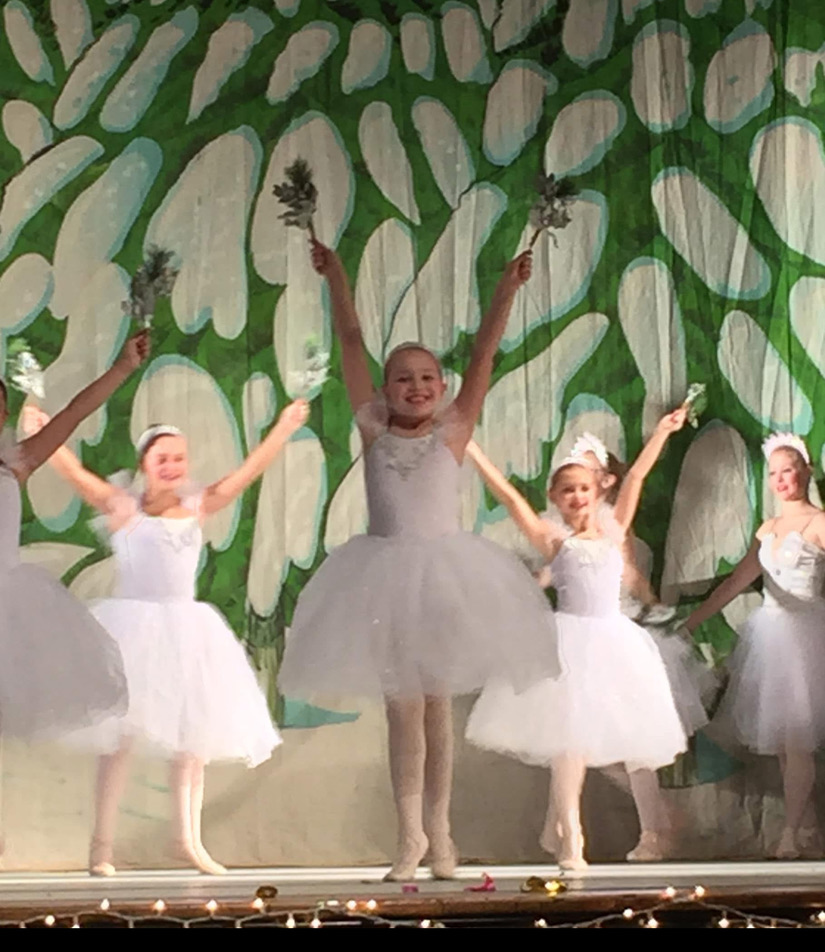
    I really liked getting to put together this project. The medium of filmmaking is not something I have been super familiar with so I found myself really inspired to create something with passion. For my documentary, I really focused on honing in on something super specific to me, and sort of zooming out to see how that is important within the wider context of the world. Dance is something that is really important to me, and something I would love to share with people. However, in a broader sense, access to what I love is being limited. The point that I want to get across is how important it is to keep funding for the arts. By telling my own personal story, I am able to hopefully personally connect with the viewer and make them realize that this is an issue that really does impact people on a personal level. I was originally struggling with the idea of thinking my story didn’t matter because it is not unique. After all, many young girls in the United States take up dance at a young age. However, I think the way that my story is both personal and shared reinforces the importance of my point. I chose to use personal photos because they really tell their own stories. The photos show me as a kid, but clearly one who is dedicated to something bigger than herself. I think that that is reflective of my creation of this film. I also felt that it was really critical to use real facts from this year about how the arts have been defunded and how that has already had an impact. I aimed to seamlessly weave between my own story and the story of what the Trump administration is doing in order to paint a picture connecting the two inextricably. While it seems like what the government does is so major and broad, it trickles down quickly. I think I was able to achieve this effect to a certain extent through showing my experiences in the arts in a way that is familiar to many. 

  • Blog post: Documentary

    My 60 second documentary is about my experience growing up as a dancer. I thought this would be a unique story to tell because most kids grow up doing activities, obviously, but in my experience, dance encompassed my life. Sometimes I felt like I was stuck watching other kids do casual activities, whereas for me, dance felt more important than fun. My choice to stick with dance instead of quitting was interesting to examine because it is nuanced. This project reveals the nuanced relationship I have with dance. It is not straight forward, and it does not answer questions, but it makes the viewer think. I made the choice to use pictures of me and describe my experience specifically from when I was really young, because looking back, it makes you wonder why I stuck with it. It was fun sometimes, but a lot of it was not getting cast in good parts, or not being the best dancer in class. It reminded me of home because of the strange thing that kept me tied to it. No matter how far we stray, our home is always our home, and that is how I feel about dance.  

  • Blog post #4: Suppertime! Internment Camp Edition!

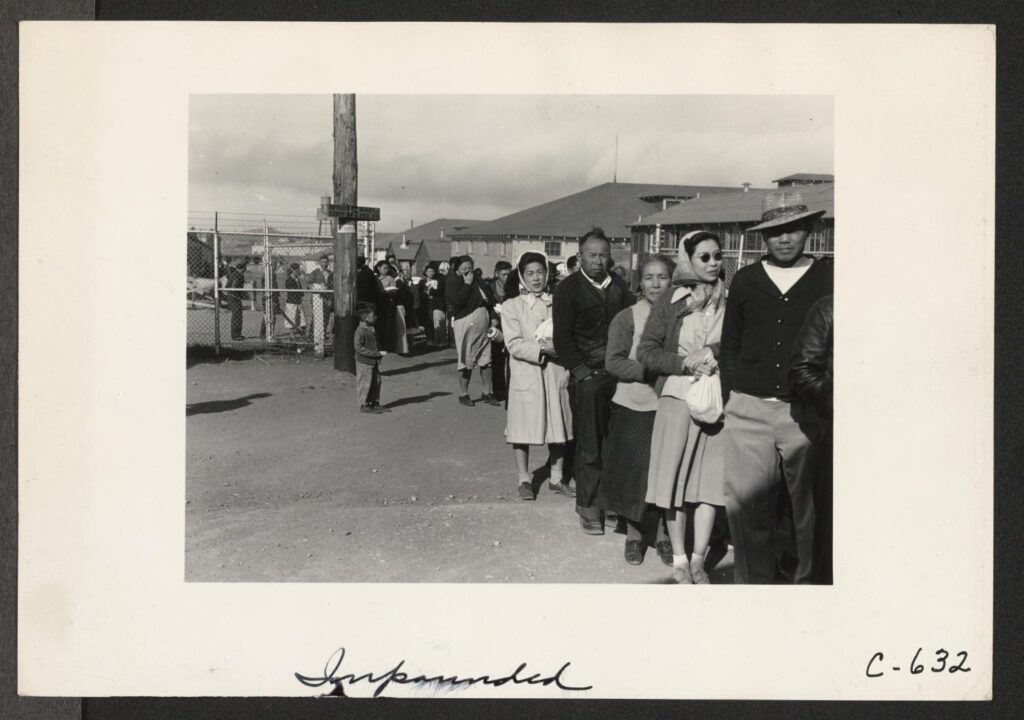
    The image I would like to focus on is the one entitled “Suppertime!” The photo portrays a long line of “evacuees” as Lange refers to them waiting in line for dinner. The people are dressed relatively nicely and are waiting patiently. From what I have seen and read, and taking information from this photo, Lange focused a lot on trying to tell real stories through very small and particular yet meticulously placed details. The detail of the people being patient (or the way in which fairly few of her photos from Japanese Internment Camps show people in distress) shows their cooperation and humanity. Based on what I know about Lange, I can guess that she has probably spoken personally with many of these people. The descriptions on the back of the photos also demonstrate very personal relationships she had with her subjects, which helped her better understand them and hence, how to portray them in photography. Lange’s documentary photography seems, to me, to be driven by a belief that if people can see what is going on, they can better understand. Lange felt an obligation to her subjects and her viewers to tell a story and to do it justice. She, unlike many others at the time, had a job that allowed her to travel to many different states and see things that weren’t being talked about in the news. Her dedication to accuracy in storytelling is very evident to me in this image. I think she felt she had a duty to demonstrate the humanity of the people in these internment camps. Their evacuation was based on their ancestry, which is obviously unfair, but no one was doing anything about this. If Lange could bring their stories about their mundane day to day lives and their willingness to cooperate to the rest of the US, people would see what was really going on and change would occur

  • Blog post #3: Stranger?

    The documentary Stranger with a Camera struck me as a very unique telling of a story that is often misconstrued or exploited based on who is telling it. Documentarian Elizabeth Barret tackled a moral dilemma of documentary from the perspective of someone who has been misrepresented by documentaries herself. I was intrigued by the way that she approached the retelling of the moments leading up to Hugh O’Connor’s murder. What strikes me about this moment is the amount of media and information used to demonstrate what happened without telling the viewer what to think. At about 35:00, we start to see interviews from local people who knew Hobart Ison (O’Connor’s killer). We hear accounts from nearby women, the coal miner who O’Connor wanted to photograph, and members of O’Connor’s crew who were there. Throughout the audio interviews, we also see photos and videos of Appalachia, some taken by O’Connor’s crew, which do not demonstrate the people of the area with the same hostile and exploitative lens as before. This is done carefully to avoid perpetuating the very stereotypes that caused the tragedy. Throughout the film, Barret is dealing with the tension of documenting Appalachia (as a member of the community) and its misrepresentation, without misrepresenting it herself. She approaches this similarly to how I think Coles would based on his recollection around page 80 of his book Doing Documentary Work (1997). He recalls a time in which he was speaking to a woman who had experienced the exploitation of documentary work many times already. She tells him about how they come into the process of documenting with preconceived truths and biases which impact how they represent the people. Obviously this results in misrepresentation. Here, Coles struggles with the balance between sticking to his line of questioning (which is based on preconceived notions) and just listening and watching the people he is trying to represent (Coles 81). Barret’s self scrutiny presents in evaluating her own position as both an insider (a member of the Appalachian community) and an outsider (someone who grew up in a county seat town, and a filmmaker). She creates this careful balance that allows for a story to be told, while using the information she gains to inform how she does her work. Within the documentary, she tells us about her experiences as a documentarian. Because of what she has seen, she can better tell the story of a people misrepresented.

  • Blog post #2: James Agee

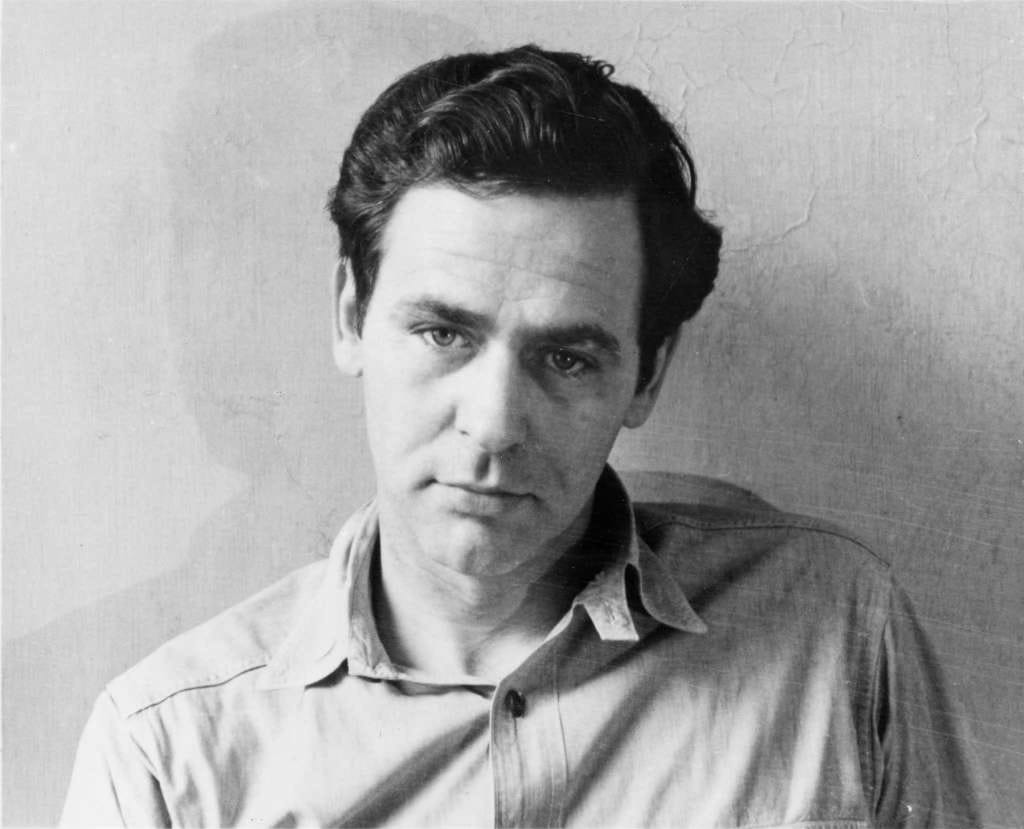
    I know James Agee has been a topic of discussion frequently in class, and selecting him to discuss may seem like a cop out, but I have a lot to say about Agee. Coles finds Agee to be so important as a documentarian and a storyteller, to the point where he introduces him on page two of the introduction to this text. Furthermore, Agee’s experiences documenting the strife of the deep south during the Great Depression are referenced almost constantly throughout the rest of the introduction. 

    The topic of location as described by Coles is, as we know very well by now, way more than the physical setting of a documented event. As I understand it, location as Coles expresses it is more of a contextual setting that informs everything about a given person, place, situation, or thing. Agee’s documentary work in the deep south is a textbook example of location being used in documentary, and really helped me understand what it means in this context.

    Agee grew up in Tennessee during the early 20th century, though he was fairly well off as he attended boarding schools growing up. Jim Crow laws were in place, which at first thought makes you think that the situation in the deep south would not be foreign to him. However, when you again consider his financial status, it is very possible that his exposure to the horrors being experienced by African Americans at the time was extremely limited. When his likely lack of exposure to diversity is considered, it’s not difficult to understand the self scrutiny that Coles talks about in the introduction.

    Agee’s writings made me consider how different our respective locations are. Politically, socially, and economically, the world is in a completely different place today than it was during Agee’s time. As I mentioned in class, Agee’s profuse apologies to the people of the deep south who he scared are almost pitiful in the context of today’s society. He was horrified by the deep south because he had never seen it before, whereas today, we are almost always exposed to such atrocities through digital media.

  • Blog Post #1: A Move

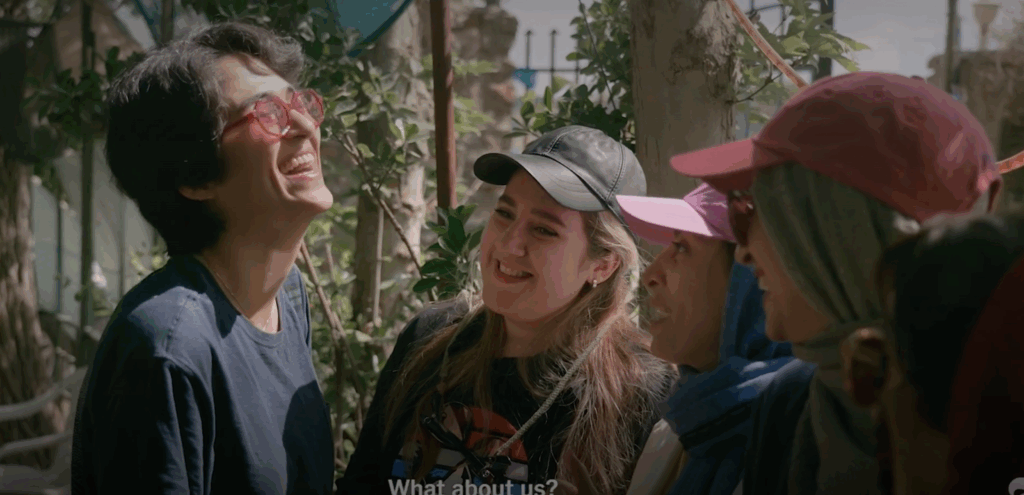
    In the documentary “A Move,” the filmmaker gives us as the viewers an in depth view of life in a part of the world with rules and regulations that are quite different than those in many other countries. The woman who is the focus of the film remains cheery in contrast to the depressing topic at hand about the suppression of women’s expression and patriarchy in the middle east. In the introduction to his book “Doing Documentary Work,” Robert Coles talks about the importance of getting involved in the field in which you are documenting. He asks “how consciously and deliberately does one go about the routines of a life?” (Coles 14). This documentary does an excellent job of showing the constant struggle between Ehale and those around her. In almost every scene, someone is commenting on the way she has chosen to express herself, and she responds casually since it is so regular to her. As the viewer, I felt like a family member at these events with her. The camera is usually positioned in a way that feels level with those we are looking at, creating the vibe of inclusion for the viewer. 

    This film offers a “fly on the wall” look at a situation that has become very normal for women in the middle east, but for many other parts of the world seems unfathomable. In the United States, if a man were to speak to a woman the way that men so casually speak to Ehale, he would feel severe social repercussions due to the feminist movements that have influenced the west. Coles would appreciate this film because it inserts the viewer into the situation and creates awareness artistically without exploiting the subjects. This reminds me of how Coles says that the field can be your own backyard (paraphrased). Though this is not my, or many other viewers, own backyard, it is someone’s regular life. The following image is a frame from the film that exemplifies the way that the filmmaker inserts the viewer into the story with camera angles.